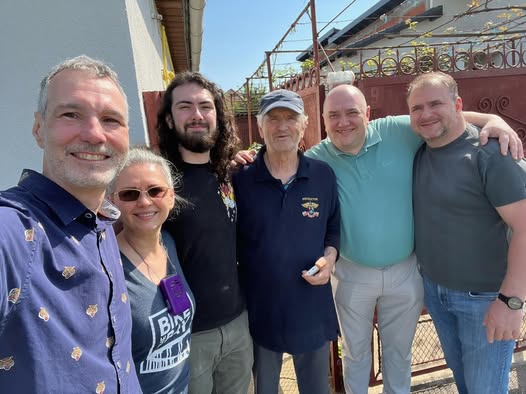
Cu ocazia zilei de naștere a lui Alin, fratele nostru, care a împlinit 50 de ani, familia Damean sa întrunit din nou în România în Aprilie, anul ăsta:)
Au trecut 12 ani (ultima dată când am fost în România a fost la nunta lui Iulian și Cornelia, în vara anului 2013) de când nu am mai fost în țară și mulți din voi știu de ce. Dar uite cu ajutorul lui Dumenzeu care a găsit de cuvință să mă țină în viață și să-mi întărească ființa am putut ajunge din nou în mijlocul familiei mele și pe pământul natal. Au fost niște momente unice care mi-au înviorat sufletul și mi-a umplut ochii și inima cu lacrimi de bucurie. Am avut prilejul să petrecem câteva zile cu tata meu, momente extrem de prețioase, să ne întâlnim și cu mătușa noastră Simona, și să-i întâlnim familia ei frumoasă. La fel și o parte din familia Macovei:) Am putut să vizităm mormântul lui Fanu, fratele nostru, și a lui mama. Să petrecem câteva ore în Hunedoara, unde am crescut, și să-i arăt lui Alex, băiatul cel mic al nostru de 21 de ani, locurile natale a mamei sale:)
Ori de câte ori îmi amintesc de vacanța noastră în Europa îi mulțumesc lui Dumnezeu cu o recunoștință profundă că am avut ocazia să-mi revăd familia și pământul natal, pentru că au fost multe momente în lupta mea cu boala de la mușcătura de căpușe care a devenit cronică și mi-a atacat sistemul nervos, când nu am crezut că îi voi revedea vreodată. Deși am avut câteva episoade de cădere de la oboseală, și am prins un covid (sau răceală puternică), Dumnezeu a fost cu noi și acuma am amintiri frumoase.
Dumnezeu e bun:) Vă doresc o zi frumoasă, plină de speranță, pace, și binecuntare:)
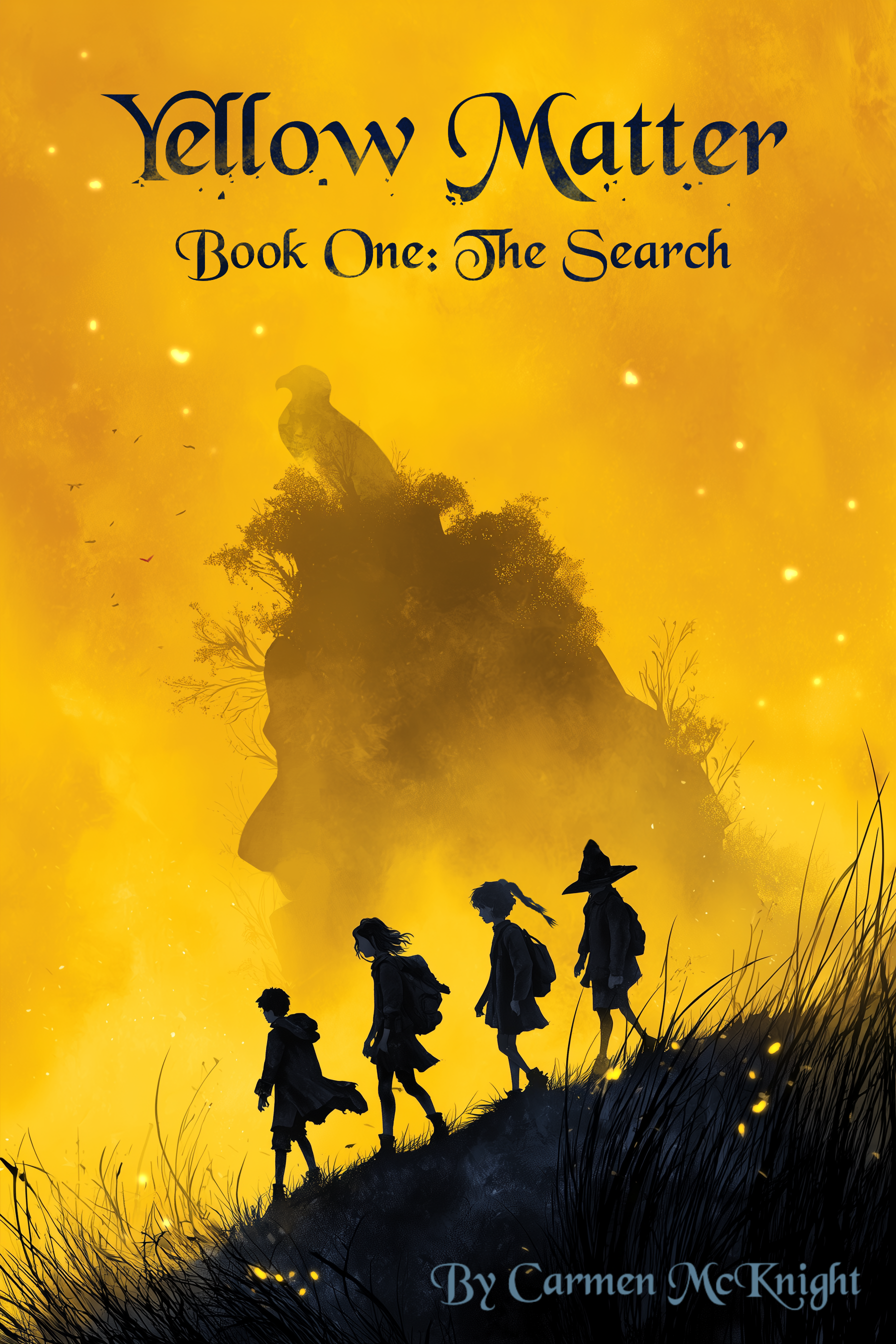
It’s been a long time since I bothered to write a post, I know, but the simple life in the country is filled with lots and lots of manual work:) I love it — most days — and it keeps me away from my writing desk. However, I’ve managed to nearly finish the second edition of Yellow Matter, my trilogy series, and I’m excited to share this story with all of you soon:) There will be more details, some changes for the better- I hope-, and lots of Appendix additions to complete the reader’s idea of the characters and places:) I must admit, one of my biggest challenges in writing is taking the time to give the details. I’m a headliner communicator: I give you the bones and nothing more. Details in a conversation can be fatiguing, but in a story, I find out that they are essential! Another challenge for me is transitions, so I’ve worked hard to have smoother transitions in my latest book. Once I’ve completed the English version, I’ll work on a Romanian translation. This book is suitable for all ages. Without further ado, here’s a spine-tingling pitch that makes folks feel like they’re standing at the edge of Hobița-Grădiște, about to step into something ancient, beautiful, and dangerous…
Set in 1800s Romania, this richly imagined tale blends ancient lore with the raw beauty of a forgotten world—a world still guarded by wonder, faith, and quiet power.
In a village hidden from time, four unlikely friends—Damian, Rue, Alex, and Adina—must rise against a spreading darkness known only as Yellow Matter, a force bent on unraveling the threads of every universe. As the balance teeters between light and decay, the children must confront prophecy, sacrifice, and the haunting truth of what it means to protect the good.
What if the end of all things began in a village no one remembered?
For readers of Tolkien, C.S. Lewis, and lovers of Eastern European folklore.
A trecut ceva timp de când am scris, știu, dar viața simplă de la țară e plină de multă, multă muncă manuală 🙂 Îmi place, și mă ține departe de biroul de scris. Totuși, am reușit să finalizez aproape a doua ediție din Yellow Matter, seria mea de trilogie, și sunt entuziasmată să împărtășesc această poveste cu voi în curând 🙂 Vor fi mai multe detalii, câteva schimbări și o mulțime de adăugiri în Anexe, pentru a completa imaginea cititorului despre personaje și locuri 🙂
Trebuie să recunosc, una dintre cele mai mari provocări pentru mine în scris este să îmi fac timp pentru detalii. Sunt un comunicator de tip „titluri de ziar”: îți dau oasele și nimic mai mult. Detaliile într-o conversație pot fi obositoare, dar într-o poveste am descoperit că sunt esențiale! O altă provocare pentru mine sunt tranzițiile, așa că am muncit mult ca să îmbunătățesc tranzițiile în această ediție nouă. După ce termin versiunea în engleză, voi lucra și la o traducere în română.
Fără alte introduceri, iată un pitch plin de fiori, menit să îi facă pe cititori să simtă că se află pe marginea Hobiței-Grădiște, gata să pășească într-un tărâm străvechi, frumos și primejdios…
Povestea se petrece în România anilor 1800, o lume imaginară, bogat conturată, ce îmbină miturile străvechi cu frumusețea brută a unui univers uitat — un univers încă păzit de miracol, credință și o putere tăcută.
Într-un sat ascuns de timp, patru prieteni neașteptați — Damian, Rue, Alex și Adina — trebuie să se ridice împotriva unei întunecimi care se răspândește, cunoscută doar ca Yellow Matter, o forță menită să destrame firele fiecărui univers. În timp ce balanța se clatină între lumină și putrezire, copiii trebuie să înfrunte profeția, sacrificiul și adevărul cutremurător despre ce înseamnă cu adevărat să protejezi binele.
Ce-ar fi dacă sfârșitul tuturor lucrurilor ar începe într-un sat pe care nimeni nu și-l mai amintește?
Pentru cititorii lui Tolkien, C.S. Lewis și pentru iubitorii de folclor est-european.
A fost o săptămână grea atât pentru mine, cât și pentru frații și surorile mele. Au trecut patru ani, pe 2, de când mami a murit. Dar duhul răului dă în noi, și în mine, când sunte-mi căzuți, parcă mai insistent. A fost o săptămână grea, mă gândesc, și pentru unii din voi, dar cu lacrimi în ochi, zâmbet pe buze și credința prezenței lui Dumnezeu în fiecare pas care-l facem pe acest pământ, mergem mai departe:)
“Vă doresc la toți un an nou plin de puterea învingerii oricărui obstacol care încetinește demersul creșterii și a dezvoltării caracterului ascuns în noi toți.” Jan.1.2025
Nu mi-am dat seama că voi avea nevoie de puterea învingerii oricărui obstacol așa de curânt, dar nu doresc ca demersul creșterii și a dezvoltării caracterului ascuns să încetinească, așa că sunt nevoită să învăț să merg înainte.
Zilele sunt reci și gri, și chiar și pauzele de soare par gri. Inima mea a fost lovită adânc, din nou, de aceleași persoană pe care tot sper să o schimb și să mă iubească în sfârșit—dar nu se întâmplă. (Nu este vorba de soțul meu, copiii mei sau frații mei.) Mă întreb de nenumărate ori, de ce persist în această relație? De ce mă întorc, iar și iar la ea? De ce nu pot să-mi urmez propriile sfaturi și să opresc ciclu vicios? Răspuns: Cred în puterea răscumpărării și iubesc această persoană. Ați fost și voi în această postură vreodată?
A fost odată ca-n povești, a fost ca-ntotdeauna, o lume plină de greșeli, și duh ascuns care-aduce furtuna și uite-așa iară tot sper, să trec cu bine prin acest infern.
Se spune că cea mai mare trădare este făcută de aproapele tău—de exemplu, soț/soție, părinte, frate/soră, sau prieten apropiat. În realitate cea mai mare tădare este făcută împotriva credinței noastre, de noi înșine: spunem că-ci avem credință dar în realitate pretindem. Trădarea asta o înțeleg, și-mi cer scuze de la Dumnezeu des, întrebându-l să mă ajute să descopăr adevărul Lui înlăuntru meu. Am siguranța dragostei lui față de mine, și numai așa pot merge înainte fără regrete. Dar a fost odată când nu am avut această siguranță în sufletul meu, și frica mă copleșea deseori. Ce sa schimbat? Am fost pe patul de moarte câțiva ani, unde am învățat cele mai puternice lecții din viața mea.
Revin la persoana care nu are puterea de a mă iubi. Foarte dureros, dar asta e. Dealungul copilăriei și a tinereții slăbiciunea în această persoană m-au afectat adânc, dar dealungul anilor Dumnezeu ma învățat că nu are nimic de-aface cu mine. Această persoană trăiește într-un iad personal și nu are puterea sau dorința de a se schimba. E frustrant când rugăciunile multora de ani de zile nu pare să aducă roade în asemenea circumstanțe și mă întreb deseori- Care-i misterul unei rugăciuni neascultate?- fiind lucidă că în această lume avem multe perspective false.
Adevărul e că de multe ori nu înțelegem mai nimic. Așa că în încheiere, continui să învăț cum să mă stăpânesc pe mine însumi, și să am credința împlinirii adevărului. Cu drag, Carmen
Vă doresc la toți un an nou plin de puterea învingerii oricărui obstacol care încetinește demersul creșterii și a dezvoltării caracterului ascuns în noi toți. A construi o temelie puternică în credința noastră, în prezența autonomă care o numim Dumnezeu, și a învăța să avem încredere în noi, și să recunoaștem detaliile relațiilor noastre cu Dumnezeu, de foarte multe ori trecem mai întâi prin valea morții. Această vale a morții are anumite detalii diferite pentru fiecare dintre noi, dar durerea suferinței este reală. Numai când am avut curajul să nu mă mai mint și să ascult ce avea Dumnezeu să-mi dezvăluie, am început să înțeleg că este o diferență enormă între obiceiurile religioase creștinești și o legătură autentică și reală cu Dumnezeu. Când ești pe pragul de moarte nu mai ai timp, putere sau dorință de a te mai minți, de a-ți înșela ființa cu lucruri greșit învățate și accepți adevărul pur și simplu, care te întâmpină fără judecată, și te ajută să alegi următorul pas.
Știu că fiecare dintre noi, la un moment dat, vom fi aruncați de circumstanțele vieții în mijlocul unei furtuni, dar avem și zile însorite unde râdem și ne putem bucura de darul vieții dăruit de Dumnezeu. Mă rog, atât pentru voi cât și pentru mine, ca atunci când deznădejdea furtunii ne copleșește, memoria să ne reamintească că există și cealaltă latură a vieții, unde soarele și puterea căldurii sunt la fel de reale ca și furtuna, și amândouă își au rolul și importanța lor. Mă rog să nu ne fie frică de valurile neprevăzute, ci mai degrabă să învățăm să le întâmpinăm cu un zâmbet învingător pe buze, pentru că victoria este tot la fel de reală ca și furtuna.
Un an nou, vă doresc atât vouă cât și mie, înzestrat cu ce avem trebuință pentru a trece învingători peste momentele care ne vor întâmpina, și să avem curajul și înțelepciunea să le întâmpinăm cu un zâmbet biruitor, pentru că ne aducem aminte că în ființele noastre există lumina Creatorului.
Hi everyone, Please enjoy my odd sense of humor. Here I go:)
Our annual Highlights letter. (I’ll most likely never remember writing another one in the feature, as I forgot to write one all these past years.)
I don’t know about you, but this year for us was the same as the rest of you- unless you’re on drugs, then who knows what year you’re living in. We’ve had ups, significantly when we climbed some trees to cut dead branches, and downs- lots of work in the dirt-. Still, we’ve made it out more muscular, with better lungs and a better attitude (when you’re close to falling from a tree, attitude, and perspective adjust quick, fast, and in a hurry, I tell you.) We got one more goat, Frodo, formerly known as Diago, because we wanted to. We lost five chickens because life sucks sometimes. One of us, and I won’t say who has a booming business; another one of us moved from that faraway land, Seattle, to Sequim. Another one of us began to work, most passionately, on a ferry boat between Canada and Port Angeles. I’ve painted so much this year that I still dream of painting in my nightmares. I have pulled so many weeds from the garden that I don’t only dream about pulling weeds; my body sleepwalks me to the weeds left untouched, so I won’t slack even in my sleep. We’ve had people come over for delicious meals I stressed over to make- not always- and we laughed, and laughed, and laughed, mostly. A few people I didn’t like came over, too, but I’m not planning to invite them again in the feature, so no worries, all is taken care of. I found out I married a cowboy, not only an intelligent geek. He impressed me with his newly found talent in building stuff. It’s too bad for him. Now that I know his hidden talents, my to-do list has gotten ten times as long. But no joke, he’s good, and I’m good with that, except when he needs to spend money on the materials. I usually rethink my strategy. My loud mouth only went off 355 days this year. It’s a fantastic improvement from the past years. I must be happy. Boy, have we had visitors this year from Europe, that faraway land I’m originally from? We had a bloody good time in every aspect except the kidney stone, which I seem to get every year, specifically in February. What’s that all about? Is Valentine’s kidney stone special? But I’m heating my bum this year like never before, so I won’t have to go through the kidney accumulation process like a hoarder. Fingers crossed for this upcoming February. Well, not sure what else to tell you, so I’ll shut my trap here and wish you a Merry Christmas and a truly Happy New Year!
It’s been a long time since I’ve written a blog. I’ve gradually felt better enough to spend time with my chickens, goats, and family in my large garden and backyard forest. I crave the simple life. I crave peace. I find it tucked away in the bosom of nature or the company of animals. That’s where I meet God. I no longer allow drama and toxic people to steal my energy, time, and peace. By helping such broken versions of people, I ended up breaking myself. I’m okay being alone. I love it. I miss some of you, but I pray for you often and wish you well daily.
My progress on the second edition of Yellow Matter is slow. The days of this year seem to have flown by irritatingly fast. But I’ll get there and bring out a better version of a story I absolutely love and find myself in repeatedly.
I keep in touch on the progress of some of your lives via Facebook, where I glimpse in a hurry every now and again. I’m always happy to see you do well and succeed in your life.
I wrote a prayer in the near past when I was momentarily struggling. Here it is:
God, I have to apologize.
At times during my life
I’ve allowed fear to go beyond the normal limits
And spill into the mixture of an ever-consuming torment plaster
Forgetting that I matter in your eyes, that I have value in you, and that’s enough.
For allowing guilt to scramble my thoughts and hunt my emotions
For not believing that you have my back,
For acting impulsively and messing up my conscience in the process.
For doing the right thing and getting frustrated that you did not respond the way I expected
For listening to my own voice and advice more than yours
For taking shortcuts.
For believing the lies in my mind instead of believing your promises
For refusing to take time to get advice from you
For thinking, I’m better than you
For thinking I can do it better than you
For being angry at how slow your response to my perceived problems is
For not having faith that you can help me or that you can help the country and the world.
For taking on my shoulders the burdens that are not mine, thinking I have Jesus’s powers to fix them, only to fall apart
For thinking, I’m better than others at times.
For thinking I’m less valuable than others at times.
For believing I take too much space on this earth.
For believing I don’t have the right to be in this world.
For thinking you are cruel.
For believing that you are stupid.
For wondering if you care.
Ignoring or choosing not to believe that I’m loved and wanted.
For always being afraid.
For not spending time with you.
For thinking the small moments of life I love and cherish are not good enough for me.
For worrying beyond reason.
For hating certain people.
For hating.
For wanting to die.
For thinking I’m a cancer to society.
For not appreciating the gift of life you’ve given me.
For cowardness.
For trying so hard instead of taking time to rest,
For allowing mental torment to strip away my peace and connection with you,
For turning my back to you,
For being afraid to connect with you,
For being afraid, you’ll ask too much of me If I connect,
For loving my comfort to the point that I became numb to other’s pain,
For carrying too much to the point of losing my peace,
I’m back with another blog on the Series: Bride of Christ Breaking Free. For the next few months, I’ll cover “Identity Crisis”. Your voices, struggles, and victories are my fuel for now.
What is an Identity Crisis?
Google – An identity crisis is a period of confusion and doubt surrounding one’s sense of self. It often occurs during times of transition or when someone is forced to confront aspects of their life that conflict with the roles they have taken on.
Medical News Today.– An identity crisis is a phase many people go through when they question or reassess who they are. A search for identity is common during the teenage years, but people may also reassess their lives after a major life event, such as retirement.
Bible – 1 Peter 2:9: This verse establishes identity as being a chosen generation, a royal priesthood, a holy nation, and a peculiar people. It also states that people have been called out of darkness and placed into God’s light.
Romans 8:14- 17: This passage states that people are adopted children of God.
Romans 8:29
Matthew 5:48
Romans 12:3
Psalm 139:13-14
Ephesians 2:10
Romans 12:4-5
Romans 12:6-8
Ephesians 3:19
Ephesians 4:13
Joshua 1:8
Your Experience:
Anonymous, age 20-30, Eastern European heritage, born in America.
Part 2– Please read the last blog for Part 1 if you haven’t done so yet:)
When I shifted, even before I went back to Christ, even for the last couple of years, knowing who I am, because of the trauma that I’ve endured and the growth that I’ve had to basically be forced to do, and the praise for my resilience, leadership, and the influence that I’ve been asked on in the calling of leadership. For me when I was younger, the thing that made me so desirable for many people, was my confidence. I know who I am, I’m confident of what I can do, and I also know that if I struggle, I can ask for help; I’m not afraid to learn or grow. There’s a little bit of bravery and courage to be in the new environment and be willing to change and adapt. Because I’ve seen my family not adapt, and I want to because I have to because it’s a survival mechanism.
And so, for me, what really changed my whole life was, I think, after my 3rd suicide attempt? 16 or 17? I don’t remember; I was young. I was sick all the time, I was miserable and overweight, and just one day, cause I hated myself for being fat and ugly, I remember I was watching a TV show, and I got up, and I was like: “I’m done. I’m sick and tired of being sick and tired. I’m not doing this anymore.” And I began doing workouts in my room, you know, just “stop being miserable!” intentionally to myself, and I just got to the point where I hit rock bottom so hard that it was like, I’m done doing this. And from that day on, I was kind of like, okay, I’m not going to obsess over being a victim. I’m going to soldier on and put my head down and just keep suffering. I also took identity in the suffering: okay, I have been destined to suffer in God’s name to some extent because I’ve been told that by other Christians. I also think it’s important to note that the media has a HUGE influence on identity in young people and older people. Movies, books, TV shows, music. I was so obsessed with fantasy books, science-fiction movies, and superhero movies. There have also been amazing shows that have taught and inspired me to practice stewardship, endurance, and suffering and to still choose honor and integrity when bad things happen to you. So, there are also good things about media; I’m not saying all shows are bad. And video games. I played a lot of video games growing up, and a lot of these games have stories to them; there’s been a lot of amazing influence that I’ve gotten from a young age from media that have encouraged and taught me to endure and to have integrity because we do cope with escapism as well. And that really helped me. Also, work helped me. I started when I was 15; I was forced to work. In high school, I had two jobs, so when you’re busy, you’re also escaping from suffering, so I quickly accepted being the hard-working girl. I accepted bad things happening to me, kind of like: “It is what it is” cause you become desensitized to a level. It gave me a lot of quiet confidence and a lot of desire cause people could see that I could handle stress, so I was put into stressful situations, I was put into high-pressure roles and asked to do complicated things. Captain of the soccer team and director for theater for three and a half years, I produced live events all the time when I was in high school. On average, we would produce anywhere from 10-20 live events throughout the school year. I would also host live events when I was in high school, so I became known as the “jack of all trades,” if you will. That got me higher opportunities, better relationships with my teachers, job opportunities, references, and a good reputation. But I was still miserable. Horribly miserable. I was drinking, I was doing drugs still, and it wasn’t until I turned 21, shockingly enough, that I decided to be sober, at least for a while. I knew that what I was doing was bad. Remember, we were also partying when we were growing up with other Slavic kids and adults, and we were all drinking all the time and things like that. So when I turned 21 and chose not to drink and chose to be sober, it was a shock to people because, in that culture, it’s normalized to be addicted in some way. Everyone’s heard the saying, “Nobody can out-drink a Russian”. I began drinking again when I turned 22, really heavily again, because of my alcoholic friends. They normalized it and I accepted it, because I wanted to be accepted by my friends and have good times with them still. It was bad. I was drinking a lot, and I had bad things happening at work, so stress on stress on stress. My job was a very stressful, fast-paced job, so I go to work, I’m stressed, I go home, I’m stressed, in school- college- I’m stressed, there were so many things happening to me that time that I didn’t have the time to be miserable most of the time, cause I was too busy having shit happen to me. I was also around older people who I was able to learn maturity from, so when we tie back to sexual and gender identity, I was around those people who shared the same identity, but they didn’t make it who they were. Meaning, I’ve known tons of people who were gay, but it’s not a big deal. You wouldn’t have known that they were gay because they don’t make it obvious to the naked eye, and I really respected that from a young age. Like, okay, so I don’t have to wear my issues or my differences on my sleeve every minute of every day just to feel accepted because these people have accepted themselves or they’re okay with their lifestyle to a level that does not require external validation. And I want that. That’s where I kind of was like when I got older, and now that I’ve returned to Christ and have my identity in Christ, it’s made suffering a lot easier, but I feel like I’ve crossed the threshold. Meaning I understand both sides of the battle, meaning “Christianity vs gay people” or “pray the gay away”. When you’ve been on both sides, there comes experience with it. And I see immaturity in a lot of people, as well as defensiveness in Christians and non-Christians alike. I’ve learned so much and met so many great people. Traveling also helps; being in a major city helps because you talk to people and learn things, and you challenge things. And when you’re in an environment where you’re able to have discourse and disagree in a healthy way, it’s so healing because you’re able to unpack and dissect these things that you might fester and think about, for example, if I’m gay, I can’t go to heaven, I won’t be accepted by my Christian parents, and being in an environment where I’m able to unpack that with people and discuss the layers of this and the truth about it or the lack of truth, etc. You know what I mean? Not being babied and cuddled, but being able to speak and to discuss is incredibly important. And now, there’s just a lot of people that don’t want to have this conversation which is why I’m always about having this conversation cause it’s so important for people and it so healing, cause you also need people to help you push you in the right direction when you’re putting your ego and identity in the wrong thing. Because a lot of the time, our ego is a huge part of our identity. Self-worth, the sense of self, the self equation, where is the self in the world? Cause when you’re taught as a child that your duty as a child is to serve your parents and to be a slave and to serve your husband and to serve the church and that’s all you’ve made for is service, you do not have autonomy. It was kind of hard to get along with my friends to the point of not being able to understand their freedom because, for me, it was the extreme opposite. We’re not allowed to say no, you don’t have an opinion, you are made to serve, you will do as I say when I say, you’ll have this restriction, this restriction, this restriction, not for discipline but for control. There’s also that resentment of wanting autonomy, independence, and a sense of self and feminism and all of these things that stem from this level of familial trauma and abuse, and cultural trauma. It just snowballs. We’re all connected in that way because it’s all generational; it’s a lot of curses that we don’t know about, and all of these things. And you see, a lot of the time, insecure people love to be around other insecure people because it makes them feel better. When you see somebody who’s secure, quiet, and confident, people hate them, which is what I’m experiencing now. Authenticity, honesty, and confidence are perceived as a threat because everybody else hates themselves so much or is insecure in some way that they want to tear down the confident person because it’s better to make people go on their level than to level up. Leveling up, accepting, and growing is painful. It’s simply complicated. We do have the free will to choose, so don’t choose this, but it’s also, okay, yeah, it is that simple, but here’s the complicated way, here’s the trauma, and the ego, and the influence, and the control, etc. I can’t stand being around people who make their problems their identity. “Many of us have heard the offended response: “Oh, is it because I’m gay? Or is it because I’m this?” When I’m just asking you if you want apples or bananas! What are you talking about? Being gay has nothing to do with apples or bananas. Being around offended people is fatiguing; why are you always trying to find a fight as a victim? When you are a victim in a conflict, it gives you validation to be in pain. And to regress, which I’ve learned the hard way. I sawed off conflict so much when I was younger and up until recently because being in conflict, being the victim, being in pain, self-inflicted or not, justifies my position, my pain, and my anger, and I’m allowed to be depressed and miserable because I’ve had something bad happen to me. And if I’m depressed and miserable without something bad happening to me, then I feel bad that I’m depressed and miserable, and I don’t want to change, so I’m going to find something to hurt me intentionally so that I can have something to talk about. Do you know what I mean? That’s what I’m experiencing with my friends now. I’ve seen this happen many, many, many times, and it breaks my heart. It really does. And there’s also the generational gap of not understanding young people. I know for a fact that I don’t understand my parent’s generation, and they don’t understand me to that level…there’s just this gap. And the refusal for them not to adapt and change, cause I’ve adapted and changed to know my parents’ generation and their culture, no problem. Also, going and visiting the country they were born in, seeing where they were born, living in their home, and being around that side of the family, you start to understand where they got the mentality from. For me, you have those conversations about masculinity, independence and hyper-individualism, and all that crap, and I understood transitioning to be a man was not the solution to solve my problems but accepting and being happy and understanding that I’m more of a masculine girl, and that’s not a bad thing. It’s been made that way, meaning that the masculine traits, quote on quote, make men not like masculine women or women not like masculine women because we have to be in our feminine energy all the time and we have to be a princess and have men do everything for us, which to a level is true, the masculine traits of being loud, being a leader, having influence, logic, applying logic, being community-focused, being popular, being a planner, an organizer, a go-getter, congregating around men, challenging men and women, you know what I mean? I opened doors for girls, opened doors for myself, respect, integrity, honor, please and thank-yous, got girls flowers, dressed modestly, and all these “masculine” things that originally stood in chivalrous, good behavior. And I think a lot of the time, integrity and honor are more of a man thing because of the warriors in history. We have to die in battle with honor! Accepting that, personally, I’m more of a masculine girl, more of a leader. I have my own crown that has been anointed by the King, God, so I think from a spiritual perspective, once we understand that we are, in fact, born as royalty, as princes and princesses, kings and queens of Christ, in the Kingdom of Christ, there is a level of that authority and anointing of knowing I wear my crown because God gave it to me. And so I will sit in my authority that I’ve been anointed with because God gave it to me, and I will operate within my means of what that is. And instead of receiving that as a threat, as I did when I was younger, now I’m experiencing that really as a superpower and a blessing. Like, oh my gosh! Isn’t that so crazy that we’re really anointed to be queens and kings for the Creator of the universe? Isn’t that nuts? But I’m learning that you can be both, being masculine and feminine, meaning I can still be a submitting woman or wife or be the healing woman but still be a leader. Because the way I was taught and raised, by mainly my father, I can go be in the kitchen, cook and clean, and be a cute little wife but I can also go outside and work on fixing the car engine, and go mow the lawn. Really, the Jack of all trades again, and knowing that I’m able to do those two things- being in my femininity and masculinity- and to lead men, and to lead women, and to lead children, you know, being in a leadership position that I’ve been for so long, having to be a leader to older people, younger people, men and women, you learn to adapt. So there’s a way you are able to walk into the room by having this experience: I know that I have periods, I’m biologically a girl, but I am masculine, and I do man-traits and I’m happy about it, but I need to be able to apply them appropriately to my life, without needing to spiral and hate myself for not being a man, because I have masculine traits that many men lack in this generation while still being a girl. That’s more of a power but I can’t weaponize it to be: “oh I’m better than you because I can go work on my car and be the leader and you can.” You know? Cause that’s where the ego will come in because I can understand my masculine traits more, so I can’t let the ego think that I’m better than others, cause that’s where deception comes in. That’s where you get the narcissist, and the self-righteous snobs, which is not what we’re suppose to do. But really is about integrity and honor, and that comes from priorities and values in your life. From a young age also from TV shows, books and in church- church helped a lot- they were all about priorities. What are your values in your life? What are your priorities in your life? So we talked briefly with my counselors in therapy, the first time I was in therapy for a long time, and the second time I was in therapy briefly. So, from a young age, I have also known about what my values and what my priorities are, and these change significantly year-to-year, causing everything to change. But also from a young age of having to go through rehab when you have to make do lists and plans, I had to make suicide safety plan, I had to have a five people emergency list, I need to have checklist for when I’m spiraling, I need to do this, this and this, so you kind of organize your thoughts from a young age as well. I still have a suicide safety plan, I update it every year, who is my emergency contact, who is my therapist, my doctor, identifying the triggers, and all of these things that are very important for a person to know, and for the people around you to know for when something happens. And is just being organized in that way and really knowing: okay, let me sit down and figure out what’s going on with me. If I’m having “an identity crisis”, why do I feel like I’m having an identity crisis? And listing: I don’t feel loved, I don’t feel this, that, etc. But the problem with most people my age, they will not do that! They will not meditate, they will not steward, they will not sit in the muck, and the gross, and the nasty, and they don’t want to cry, they don’t want to feel their feelings, they don’t journal, they don’t want to have conviction, they don’t want to feel the trauma because it’s so much. And I get it. It sucks. It’s the worst. And that’s why when we get older we get sick, and we regress and become drug addicts, all this stuff, and I know for a fact that’s why I got sick so much when I was growing up, up until last year, because I was holding in so much trauma that I refused to handle, and my body broke. Just shattered. I had nowhere to go. And so because I was forced to sit in this moment of suffering, that’s when I looked up to God and I was like: Oh my goodness gracious, what do I do? There was nowhere I could go except suffer. So I was literally in the pit, like David, just suffering for that period of time. And that changed my perspective. My priorities changed in health, and friends, and God, you know? Like I got a factory reset. I got a reboot, if you will. Because you really don’t know what you have until you loose it. You don’t know about your health until you loose it. And I was so scared of being in that position again, of being at that level of pain again, that I wanted to do anything and everything not to go through it again. Let me learn my lesson and get my shit together. And it sucked, but that stewardship has really saved me and made me who I am right now and being able to understand the difference of trauma, unfair oppression, self-inflicted consequences. Instead of running from the mirror, turning towards the mirror and looking, accepting, undoing. And that radical acceptance which takes a long time and the five stages of grief that follows with that. There’s so much grief. There are so many levels of grief, that I’m in. It’s so messy. But its necessary. And I see all these people flip out, and I’m seeing my friends flip out about their own issues, and I’m like, I just need you to sit in your suffering. I need you to sit in this, I need you to be alone, I need you to cry it out, I need you to just get through it. And yet, the most common choice is to be distracted messing with other people, and avoiding facing that pain, and I’m like: Agh, I was there! I get it! I get it! I get it! But it does not work long term. It will catch up with you eventually.
I’m back with another blog on the Series: Bride of Christ Breaking Free. For the next few months, I’ll cover “Identity Crisis”. Your voices, struggles, and victories are my fuel for now.
What is an Identity Crisis?
Google – An identity crisis is a period of confusion and doubt surrounding one’s sense of self. It often occurs during times of transition or when someone is forced to confront aspects of their life that conflict with the roles they have taken on.
Medical News Today.– An identity crisis is a phase many people go through when they question or reassess who they are. A search for identity is common during the teenage years, but people may also reassess their lives after a major life event, such as retirement.
Bible – 1 Peter 2:9: This verse establishes identity as being a chosen generation, a royal priesthood, a holy nation, and a peculiar people. It also states that people have been called out of darkness and placed into God’s light.
Romans 8:14- 17: This passage states that people are adopted children of God.
Romans 8:29
Matthew 5:48
Romans 12:3
Psalm 139:13-14
Ephesians 2:10
Romans 12:4-5
Romans 12:6-8
Ephesians 3:19
Ephesians 4:13
Joshua 1:8
Your Experience:
Anonymous, age 20-30, Eastern European heritage, born in America.
Part 1
Personally, for a long time, I was very angry because I was a girl. I felt tomboyish and more masculine. Also, Slavic women are made this way. To be brutish, strong, bold, and stubborn. I also grew up mainly around boys, my brothers and my father, and I was around men more than women. Usually, when I was around women, it was not in a positive situation, you know, the moms gossiping, the whole nine yards. I had a few girlfriends, but my friends were also masculine and tomboyish. I didn’t have an issue with that growing up, wearing cargo pants, etc., and it wasn’t until I was starting to be made fun of by boys for looking like a boy and acting like a boy that I noticed (I was made aware) that something was maybe wrong with me? That’s when the insecurity kind of started when I was a child, maybe 10? I was now told externally that something was wrong with me, but I didn’t think anything was wrong with me. Then, my mom began to be more verbally abusive to me for this, and I had to wear girly clothes and start shaving. My period began maybe 13 1/2, 14 years old, and I had to learn about that in school because my mom would not talk to me. Periods are shameful in our house, and I was not allowed to speak about it. Things started to get weird, and that’s when I began to fall into depression because of the distance and the aggression from my parents. I would see how my brothers were treated; they were coddled and praised, and I was forced to serve the guests and do things in the kitchen. But let’s stay focused on gender identity specifically cause there are so many identity crises we can talk about. I was envious for a long time cause I thought that if I was a man, be more masculine, then I would be liked, respected, and loved more, manly by my parents, you know. If I were a son, my parents would treat me better. And I know my parents wanted sons, so the fact that I wasn’t born a biological male was a disappointment to a limited extent. (Eastern Europeans want sons more than girls; it is part of the culture.) Cause I suppose girls are more difficult to raise.
I grew up with the birth of the internet, the late bloom of the internet when it was uncensored. Communication was just beginning to become a thing online, and social media was still brand new. I’ve learned about everything from the internet, good and bad, mainly good: what is a period? How to take care of yourself, politics, anatomy, sex, all of it was from the internet. We didn’t have these teachings in my house. And when I went into high school and saw what was happening with queer people being murdered, black people being murdered, you go to different countries and see that being gay is illegal; I think also Obama legalized gay marriage during his presidency? I was still young, and I did not understand, but I knew I was a big deal. You start to have talks about sexuality when you’re younger, and you’re curious about it cause I’m always curious about everything. When I was in my rehab therapy, I hated being a girl because of the way that I was being treated, obviously. For a long time, I considered transitioning to surgically be a man cause I thought that if I was to be a man, I would be better. But I also knew that if I were to transition to be a man, I would be hated by my parents even more because I would be, you know, demonic for being transgender, kind of like a lose-lose situation. But I was convinced that would solve all my problems cause of the oppression that girls receive from culture.
I think people have more than one identity crisis; I’ve seen it, I’ve had it, my mom has it, and I’ve seen it many times. Specifically, with children who are from immigrant houses and immigrant families, we have a very unique struggle with identity and meaning when…For example, I’m the first American-born generation to be born into our family. My youngest sibling and I are the firstborn in the U.S. in our entire family line, and we don’t have dual citizenship. We have very few connections to the Eastern European country my family comes from, but we’re still part of the culture- here in the States- and my parents intentionally raised us to not speak anything but English because they wanted to speak the native language for themselves. (It’s a way to keep certain matters secret from the prying ears of children.) So, we don’t fit in when we go to Eastern Europe. We don’t fit in when we go to Slavic group community events in the U.S. because we’re not integrated. So we’re alienated from the get-go. And because I didn’t behave and dress like a typical Slavic girl either, I was also alienated from the men and women because I was seen as this crazy, woke freak. Then, my suicide attempt and drug addiction, which came later, it was announced. Then I really was starting to be perceived as the delinquent, junky daughter that my family had to deal with, so for me specifically, I was incredibly alienated from the beginning. And I just got worse. A lot of the time, when you’re receiving sort of judgment from the parents: you know, “We grew up hard, you have it easy,” all of the verbal condemnation makes you question your self-worth or why you exist. Because I was being blamed for things that were not my fault, they would get angry about their marriage problems and take it out on their children—as many parents in that generation do. So from a child’s perspective, when you’re being told, having me was so hard, and you’re the problem, and you’re questioning why you are the problem; it just kind of spirals. When we don’t feel like we belong, as children, we go and find people and things that make us feel like we belong. It can be, usually, a daunting influence, right? Bad people. And you do bad things most of the time. I would start swearing, and I would stay up with kids who stayed up late, kids who were rebellious, kids who hated their parents, kids who were rich, and kids who were poor. Wherever there’s a place where people are nice to you, accept you for who you are, at least temporarily, and enjoy your company, you will go to them. And in high school, that was the case for me. I was around all sorts of people, smoking all kinds of things. I was also incredibly depressed. I was not sober for most of my high school years, and you find adults who would speak to you normally, so I got a lot of attachments to my teachers. And when you don’t know who you are, or you’re struggling to be confident in who you are, because when you’re told that the way that you are is a burden or a problem, you will search for something to fill that void. When I left God when I was a teen cause, I was angry with Him because I thought that the actions of the church were ordained by Him. I didn’t even want to bother with Christian rules or truth because I had associated abuse in God’s name with God allowing it. I was young. I didn’t study, and being in Seattle, where there’s more of a liberal environment, you have a lot of anti-Jesus people. You have a lot of atheists, a lot… that’s not to say they’re bad people because I’ve had amazing conversations with these people. Understanding rhetoric, how the world works, science, why they don’t believe in God or challenge God, and all of these things. Learning about other religions, that sort of stuff. Then, I began getting back into Bible study when I was a junior in high school. My friends and I did a weekly bible study and were part of a youth group every Wednesday. That’s where I met a good Christian community, and we were all a cute little squad. I felt love, but for some reason, I didn’t really equate much to it, I was Christian and believed in God, but I still didn’t believe the truth. So I was struggling in this weird teeter-totter of being this rebel, edgy, gender non-conforming, “fight the patriarchy, fight the rules” kid. Trying to fit in, but also going to church with my friends and praising God. I was also accepted for being that rebellious, ugly kid in my youth group, which I think really shifted my perspective. When you have people who don’t have community because they’re so deeply hurt by people, the church, and their parents, they will go seek a community and things that will make them feel better.
Sexuality is such a convoluted, multilayered thing. From my perspective, my observation: when you see queer people, maybe vegans, or other religions, who make their oppression— cause I see a lot of white people do this—they make their thing their identity. They make being gay their identity, they make being small their identity, they make being vegan their identity, so they have to go and tell everybody all of the time that they are this, and if we don’t do what they want, then we’re oppressing them as the minority. I’ve seen this a lot with white young girls in my generation and younger, and I know now because I was the same; the majority of the time, this happens because it is a cry for attention because they don’t feel seen and heard and they feel insecure and they’re lost. And so, being oppressed gives them attention. As crappy as this is to say, it’s true. So, when we trauma bond in these groups, when we get together, and we cry about how hard it is to be young and queer, we have people who are brothers in arms, if you will, who relate to the struggle and we feel connected to them because of the similarity in the trauma, and we make this struggle and this trauma our shield. I’m not saying you can’t be proud or comfortable with who you are, but it comes with a level of illusion and deception when we make one thing about ourselves sort of at the forefront of our reality. And that’s why you have this identity crisis, and you have this identity in the world, and you see a lot of gay people reject God because of the hurt they had from the church, but also because of their struggle: if I go, or have an identity in God, go to Christ, and I have to sacrifice being gay, which is again complicated, is not necessarily true, that’s a thing between Christ and the child and conversion can change, by their choice. Salvation is still achievable, but it gets weird; it gets complicated. When you have children who suddenly identify as queer, for example, their parents are Christian and especially if they come from a culture in an immigrant-parent household where they’re brutal and straightforward, refuse to change, and it’s all about the old orthodox religion structure, its’ do or die, repent or you’ll be burned, this very intense, extreme level, of almost a religious practice, more than a spiritual practice, and so, when a child suddenly identifies as queer, and they try to be honest with their parents, but they’re automatically on the defense because they know they’ll be hated, unlike because of “who they are,” they’ll now struggle to feel accepted by their family. So the parents, or whoever, become the enemy, and they’ll try to fight you and run away. That’s just the general mentality that I’ve had, and I see many people who have had it. It stems from seeking external validation cause internally, we’re struggling, and we’re trying to fill the void and feel loved because we don’t love ourselves. After all, every child and every human wants to be loved, and when we don’t feel loved, we don’t feel good, and we try to find things to make us feel good. I noticed that the people who are far from God feel the most miserable, and because of none of that supernatural joy is there to sustain, and even people who are in church and are godly but don’t have a close relationship with Him are also miserable. And in a lot of ways, identity becomes weaponized because if someone is against me, then they hate me. So they get defensive, and they have to fight, and all stems from not feeling wanted or being invisible or unheard, our ego, insecurity, and our place in the world. And because we live in a free country, with freedom of speech, and we love everybody, Jesus is a soft pony baby, and discipline is bad; we should all cuddle each other and love each other with no truth, no tough love, no struggle because we equate struggle and discipline and correction to damnation and condemnation, attack, hatred, oppression, and we get so riled up, and get so nastily defensive because we think that it’s a life and death situation, because of the survival habits and mechanisms that had to be made for a time in life to survive specific situations. Like, we’re not getting murdered in the streets; I’m talking about the non-oppressed kids. We might be uncomfortable, but we’re not butchered and lynched for being Christian or gay like it happens in other countries. We’re not in the crusades. Some people are in other countries, in wars, and we’re not, so being mad, uncomfortable, and guilty is more of a blessing and privilege. You know what I mean? Like, I can go in the streets and proclaim whatever I want, but I’m not going to get killed for wearing a cross or a pride flag.
I also think identity ties to our job, our environment, our family, and so when you lose something, you go through a divorce, you lose a husband, a friend, your house, move to a different country, a piece of you is left behind, so you feel like you’re kind of spiraling into nothing because we equate our person, our existence, our identity with our external environment so heavily. That’s when you see people identifying with their careers, things like that, that we break when it’s taken from us. We focus so much externally, not internally, and because we don’t put our identity in Christ, and so we get lost in the things that are no longer tangible, meaning the routine and the comfort of life that has changed. Moving, dropping out of school, having a break-up- all of these things have attachments to us, and we just focus on those attachments as being who we are. That’s where deception comes in, and it gets very damaging. I also think the Devil works very well in this regard of split personality disorder, narcissism, and schizophrenia; when a spirit can attach itself to you and fuel the confusion and the ego and the spiral, you feel crazy. And some people are crazy because of those demonic spirit attachments that thrive off of conflict and all of these things. And so, it’s such a struggle because a lot of the time it does come from a trauma, it comes from pain, it comes from some level of oppression, and to make a name for yourself, and to have independence and not be like your oppressor and to be not like your family, or culture because we also equate “going home” to war and brutalism and all of these things. It’s complicated, and there are many aspects in this, spiritual identity, gender identity, you know, logical identity, so many aspects that people delve into cause humans are so complicated, and we are just desperate to fit in. To feel good is the root of the crisis.